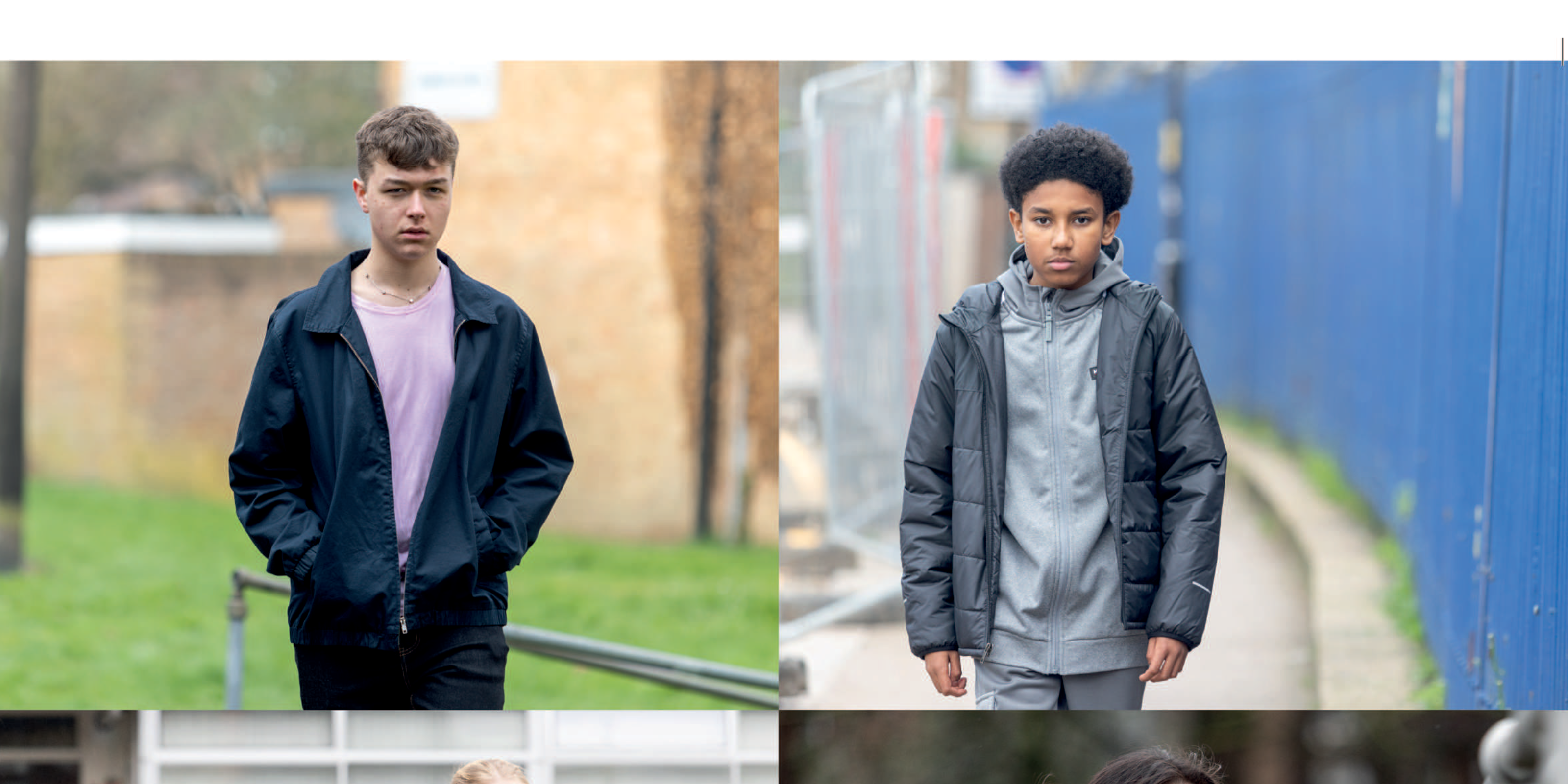
#LookCloser to stop child exploitation
Across the country, children are being groomed by criminal groups using sophisticated tactics to exploit them for criminal, financial, or sexual purposes. Right now, more than 1 in 24 children and young people across the UK are at risk of exploitation.
Exploiters will target children online and in person offering friendship and a sense of belonging, however the reality will be abuse and isolation. Frequently these predators will use small gifts to befriend children and this often occurs in plain sight in public spaces.
Once the child is in debt to the exploiter, they are trapped in a cycle of exploitation by terrifying threats against them or their loved ones. They are often made to travel long distances and skip school to hold and move drugs, weapons and money. Forced to sleep where it isn't safe and keep secrets from those close to them.
Rosemary Plummer from The Children’s Society explains how people working in public facing roles can help to stop this harm.
What is child exploitation?
Child exploitation is abuse that happens when someone takes advantage of an imbalance of power to manipulate, coerce or force a child into an activity that benefits the exploiter, such as sexual or criminal activity. This can include forcing children into committing theft or fraud.
Exploitation isn't obvious, but it can happen anywhere, to any child. Children and who are being exploited may not always look or act the way that you expect.
How does exploitation happen?
It’s important to remember that exploitation is never the child’s fault, even if crimes have been committed as a result.
The perpetrators of this abuse identify vulnerabilities in children which they can exploit through a process called ‘grooming’. This might happen online or in person. An exploiter may notice that a child is feeling isolated and target them through the pretence of friendship or romantic relationship. They may notice that a child is suffering from financial hardship and offer them presents or the opportunity to earn money quickly. Sometimes grooming is apparent in public spaces, for example an adult repeatedly buying different children take aways, or bringing them to shopping centres.
Exploiters then begin to ask the child to carry out seemingly small tasks as repayment for the ‘gifts’, such as holding a package or sending a photo of themselves. This process can then be used to trap and isolate the child from friends and family using threats of prosecution for criminal activity, humiliation by sharing the of sexual images, or violence against them and their loved ones if they try to tell anyone about their situation.
Signs of grooming and exploitation
Grooming and exploitation often take place in public spaces used by children such as fast-food outlets, shops and on transport. By learning to spot the signs of exploitation and how to report it, you can help to keep children safe from abuse.
Signs in a business setting could include:
- Children stealing, collecting parcels for others or making fraudulent returns
- Children who are anxious, frightened, angry or aggressive, showing signs of neglect, or displaying behaviours that cause you concern
- Children who appear to be instructed or controlled by another individual
- Children travelling long distances from home or during school hours
Remember that a child is anyone under the age of 18.
What should I do if I am worried about a child?
If something doesn’t feel right, it might not be. If you are concerned about a child’s safety, call 101 or 999 in an emergency. Explain that you are worried about child exploitation and describe what you have witnessed.
Your call could be the missing piece in a jigsaw puzzle to better understand where a child is, or who is harming them.
What can I do to help?
Businesses are a vital part of every community, and business owners, operators and employees are in a unique position to help to create safe spaces for young people.
To help protect all children, you can:
· Ensure that your staff are aware of child exploitation and know how to raise concerns
· Promote our #LookCloser campaign and use our new resources specifically for staff in roles like yours.
Visit #LookCloser to find out more and click ‘access our resources’ to see everything our campaign has to offer.
Together we can stop child exploitation.
